Gratitude as a daily practice
How to make gratitude a small daily habit that changes what you notice, with simple ways to practise it and what to do on the days it feels hard.
Gratitude can sound like something you are supposed to feel. When you do not feel it, you can end up feeling guilty on top of everything else. I find it more helpful to treat gratitude as a practice. It is something you do on purpose, whatever your mood, and over time it changes what you notice.
What I mean by gratitude
Gratitude, as I use the word, is paying attention to what is good and naming it. That good can be large or very small. A friend who checked in. A bus that turned up on time. A conversation that went better than you feared. Ten quiet minutes before the house woke up.
Naming it matters. A vague sense of being lucky fades quickly. When you say exactly what you are thankful for, and why, it tends to stay with you, and you start to recognise more of it.
Gratitude also has nothing to do with pretending things are fine. You can be grateful for one part of your day and honest that another part was hard. Both can be true at once.
Why it works better as a daily habit
Our attention tends to go to what is wrong. That is useful when there is a real problem to solve. Left unchecked, though, it can colour how you see everything, including yourself and the people around you.
A daily gratitude practice gently trains your attention the other way. Done once, it is a nice moment. Done every day, it starts to shape your attitude. You begin to look for the good earlier, without being prompted.
Like any habit, gratitude grows through repetition. A few minutes a day, kept up for weeks, will do more for you than one long reflection every now and then.
Simple ways to practise it
Choose one of these and try it for two weeks before you decide whether it works for you.
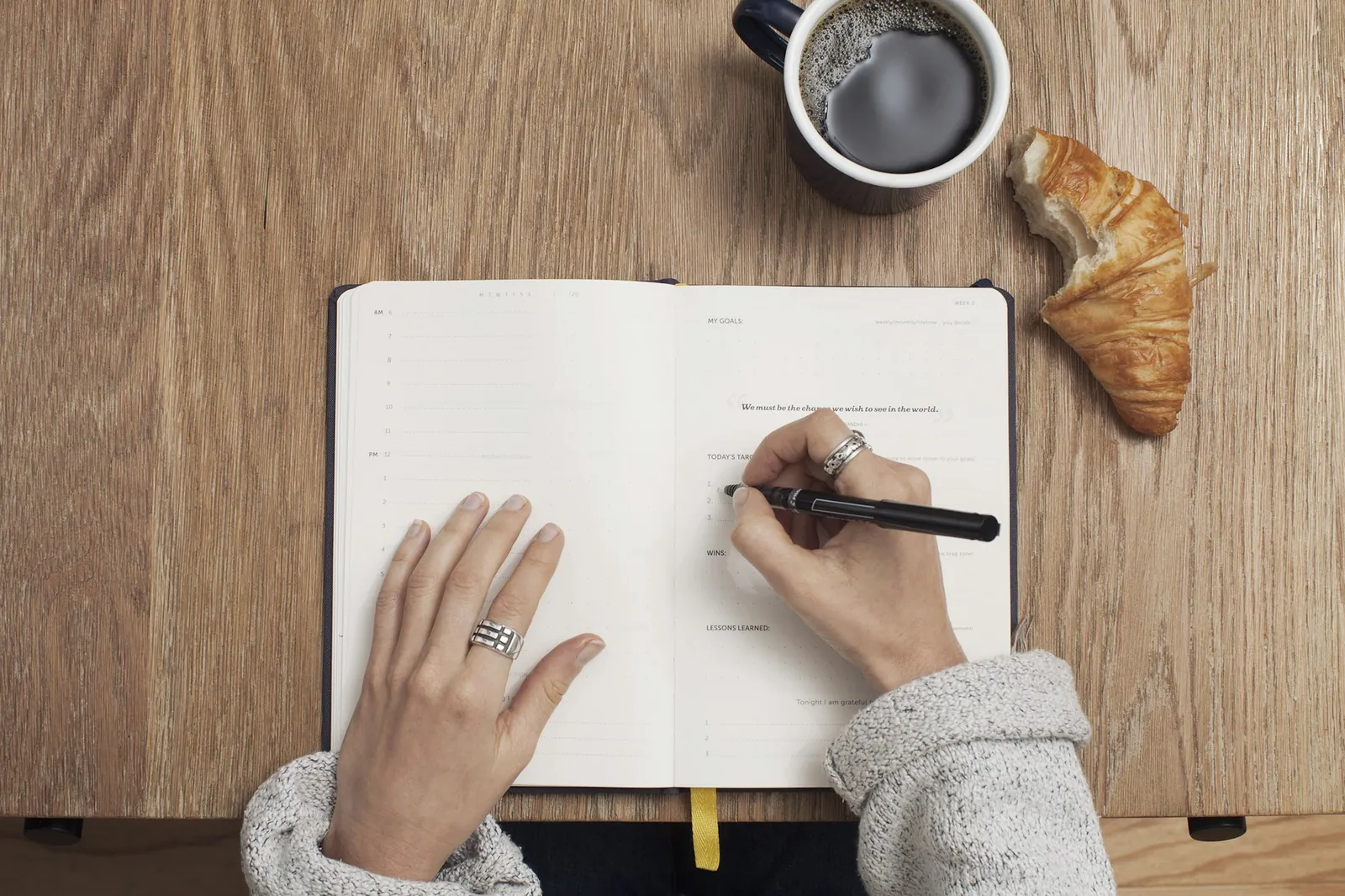
- Three specific things. At the end of the day, write down three things you are grateful for. Make each one specific, and add a line on why it mattered.
- One person. Think of one person who made your day easier. Then, if you can, tell them. A short message is enough.
- The hard-day version. On a difficult day, look for one thing that helped you get through it, however small.
- A set moment. Pair gratitude with something you already do, such as brushing your teeth or sitting down to eat, and name one good thing in your head.
- A weekly look back. On Sunday evening, read through the week and notice what kept coming up.
Whichever you choose, keep it short. A practice that takes two minutes is far easier to keep than one that takes twenty, and on a tired evening that difference matters.
Gratitude for people deserves its own mention. When you deliberately notice what others bring, it changes how you treat them. I write more about this in your attitude to other people.
If you already keep a journal, gratitude fits naturally at the end of an entry. My post on how to start journaling for clarity has a few prompts to get you going.
When gratitude feels hard
There will be days when this practice feels forced. That is all right. On those days, lower the bar. One small thing is enough. A warm drink, or the fact that you got through the day.
Please do not use gratitude to shut down feelings that need attention. If you notice yourself writing “I should be grateful” to push away sadness or frustration, pause there. Those feelings are telling you something too, and they deserve to be heard.
If you are going through a low or stressful season and things feel heavy, please speak to your GP or a qualified professional.
Over time, the practice can start to feel more natural. You may catch yourself noticing good things in the moment, before you have written anything down. That is a sign the habit is taking root.
Intentional growth and renewal is one of the themes I come back to on the podcast, if you would like something to listen to as you build this practice.